- The paper presents ResistClient, a dual-stage framework that integrates resistance-informed supervised tuning and reinforcement learning to simulate realistic client behaviors.
- It leverages a meticulously annotated RPC dataset and clinical expertise to model underlying motivational factors, overcoming over-compliance in traditional LLM-based simulators.
- Experimental results show improved precision, coherence, and behavioral challenge quality, setting a new standard for psychological client simulation.
Introduction
The paper "Beyond Compliance: A Resistance-Informed Motivation Reasoning Framework for Challenging Psychological Client Simulation" (2604.10507) presents ResistClient, a system and data-driven framework for psychological client simulation that explicitly models resistance behaviors exhibited by clients during therapeutic interactions. The work addresses significant limitations in existing LLM-based client simulators, specifically the prevalence of over-compliance, which results in unnatural, repetitive, and insufficiently challenging simulated interactions. The motivation is grounded in clinical literature: resistance—manifested as avoidance, emotional defensiveness, dominance, or superficiality—is pervasive in real-world counseling, and effective counselor training or LLM assessment demands simulation environments reflecting these dynamics.
Framework Design: From Dataset to Model Architecture
Motivation and Compliance Bias in LLM-Based Simulators
Contemporary LLM-based client simulators tend toward overly cooperative behaviors due to inherent alignment and pre-training data biases. Attempts to induce more challenging behaviors through profile conditioning, agent-based frameworks, or prompt engineering have proved insufficient, typically generating only shallow or context-inappropriate adversity. Critically, these approaches focus exclusively on surface behavior generation, neglecting the latent motivational and cognitive mechanisms which, according to psychological theory, underpin resistant client actions.
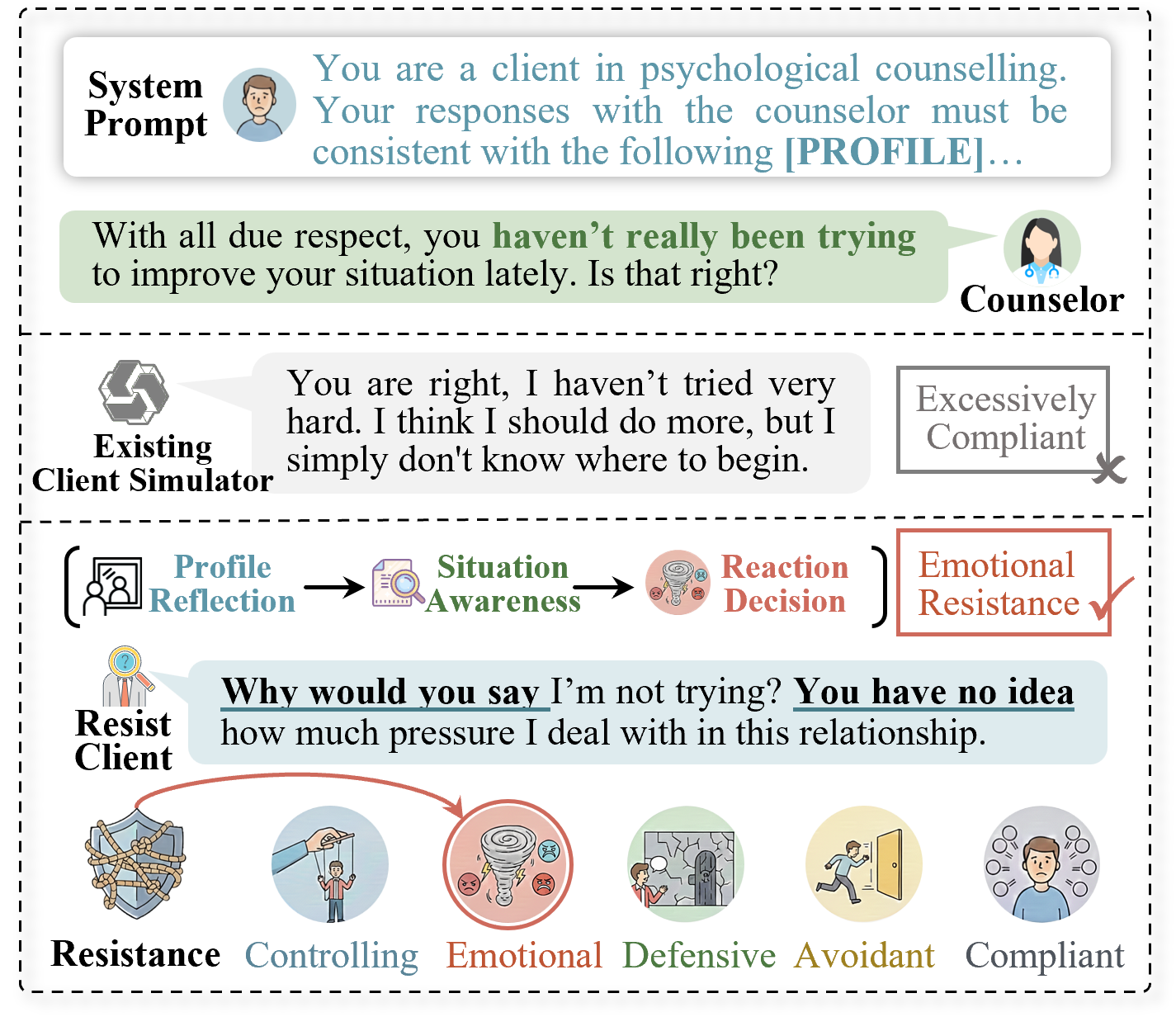
Figure 1: Existing simulators are dominated by over-compliance; ResistClient introduces resistance via an explicit reasoning procedure, producing contextually plausible client adversity.
To address these limitations, the authors propose a two-stage training pipeline:
- Resistance-Informed Supervised Fine-Tuning (SFT): The authors construct the Resistance-Informed Psychological Conversations (RPC) dataset, comprising 1,849 real-world-inspired sessions meticulously annotated with client 5P profiles (Presenting, Predisposing, Precipitating, Perpetuating, and Protective factors), and all client turns labeled according to a principled taxonomy of resistance and cooperative behaviors (Controlling, Emotional, Defensive, Avoidant, Compliant, Non-resistant, Facilitative). Sessions are synthetically rewritten to introduce resistance when context and profile indicate high likelihood, guided by clinical expertise and resistance theory.
- Motivation Reasoning Reinforcement Learning (MRRL): Building on SFT, the model learns to generate explicit motivation reasoning for each client response. This process is decomposed into Profile Reflection, Situation Awareness, and Reaction Decision, mirroring the cognitive process of human clients. Expert-annotated step-wise rewards, including consistency constraints between the inferred latent motivation and surface response, drive offline GRPO-based RL optimization.
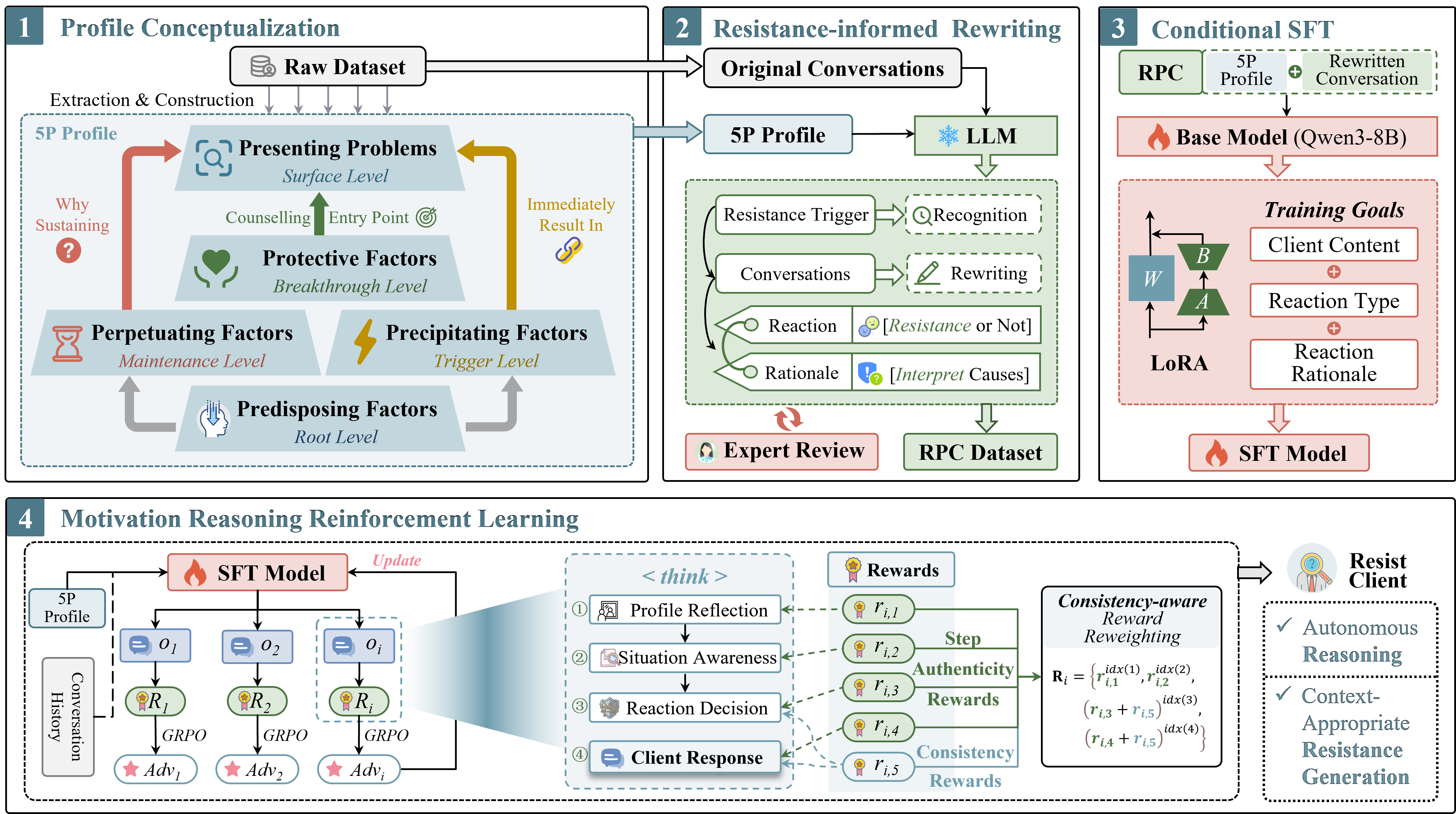
Figure 2: ResistClient system design; resistant behavior generation is scaffolded by a structured reasoning sequence and dual-stage training strategy.
Empirical Results and Experimental Analysis
Capability in Resistance Simulation
On rigorous automated and human evaluations, ResistClient exhibits significant improvements over large general-purpose LLMs (GPT-5.1, DeepSeek-V3.2, GLM-4.6) and profile-conditioned or agentic simulators (e.g., Patient-Ψ, AnnaAgent, Yang et al.). On the RPC corpus:
- Precision, Recall, and F1 for resistance generation are highest in ResistClient, indicating successful calibration of when and what type of resistance is produced, with minimal spurious adversity—outperforming all baselines by substantial margins.
- Fidelity, Rationality, and Reasoning Quality (human-rated, scale 0–3) are highest for ResistClient, demonstrating that both behaviors and underlying motivation chains align with psychological theory and context.
Ablations show Qwen3-8B-SFT (SFT only) delivers strong gains over prompts, but full RIMR (including MRRL) is necessary to achieve maximal reaction-type classification accuracy and psychological realism.
Behavioral Realism and Challenge Quality
In full counseling interactions, ResistClient achieves the lowest Client Cooperation Rate (CCR, 60.84%) and highest session length (17.88 turns), markers of increased challenge and less trivial interactions, while maintaining the highest coherence and human-rated realism of any simulator.
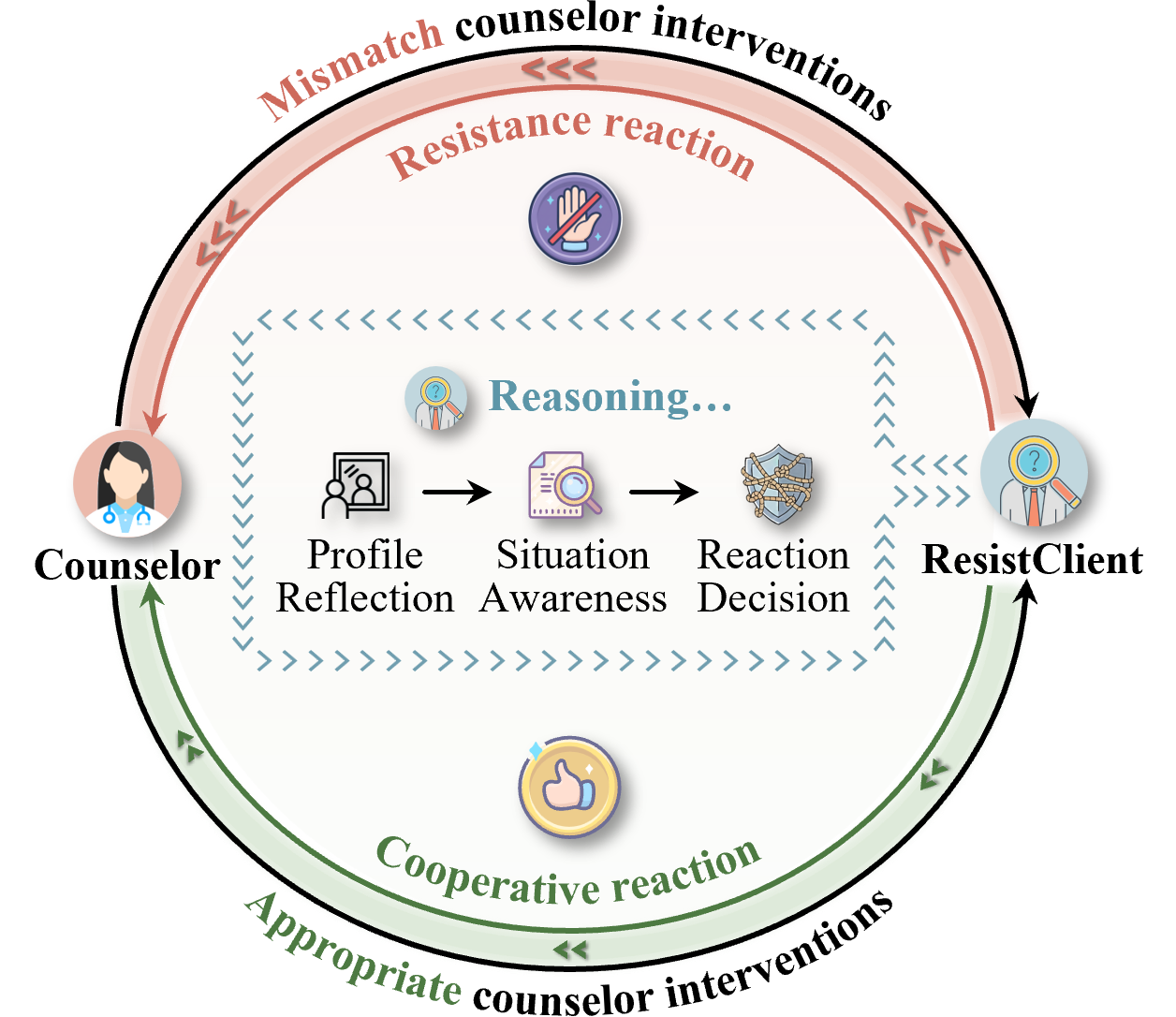
Figure 3: ResistClient in an interactive counseling context; the system enables dynamic adjustment of client resistance in response to counselor interventions, essential for effective skills assessment and training.
Detailed confusion matrices confirm that RIMR enables robust discrimination across fine-grained resistance types with negligible misclassification relative to SFT-only and prompt-only variants.
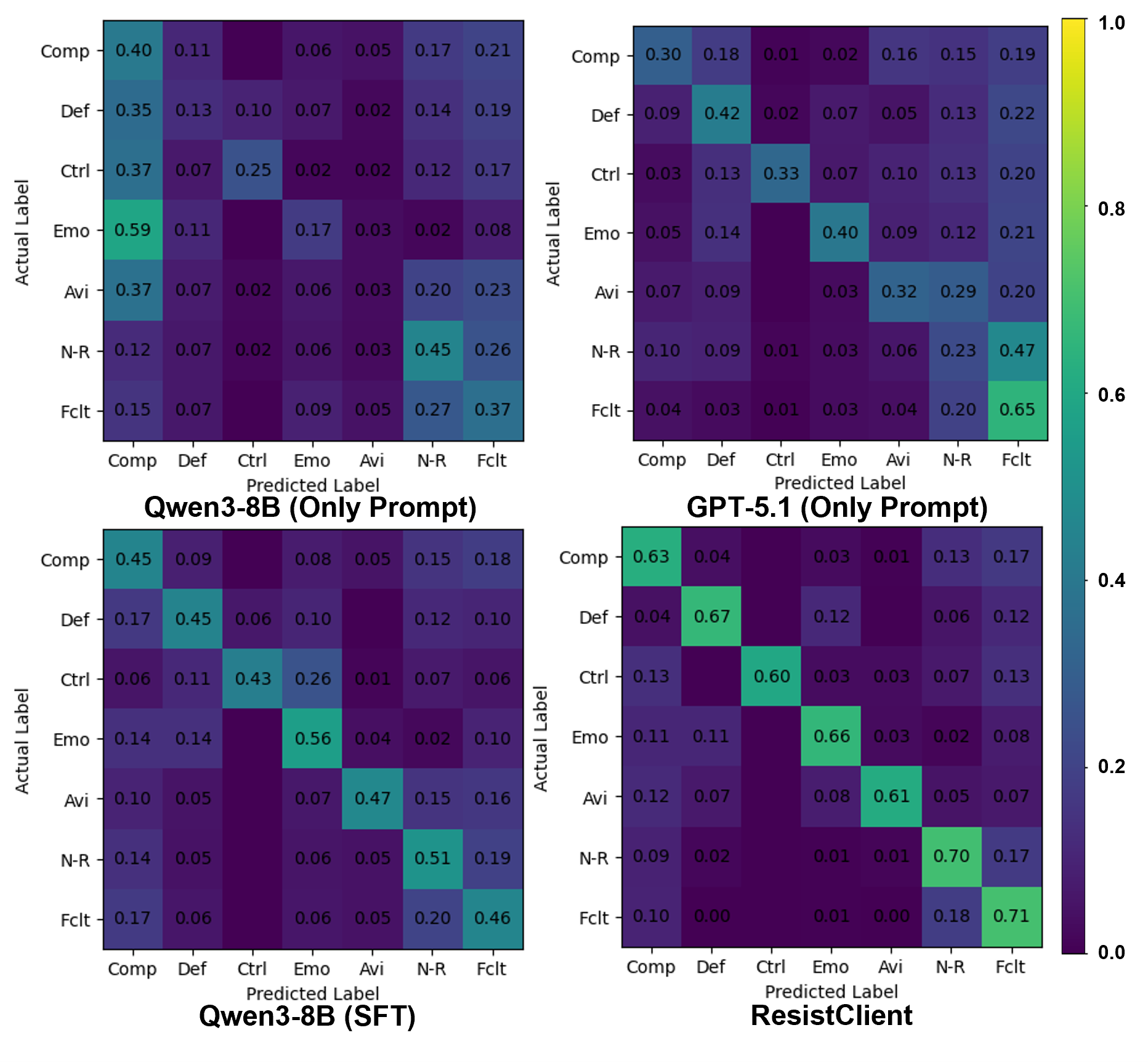
Figure 4: Confusion matrices illustrate the superior discrimination and response-type alignment of ResistClient versus SFT and prompt-only baselines.
Evaluation of Psychological LLMs under Resistance
Emulating realistic resistant clients exposes qualitatively new failure modes in current counseling LLMs—a significant proportion of interventions by both general (e.g., GPT-5.1) and specialized counselor models (MindChat, SoulChat2.0, Psyche-R1) routinely provoke resistance (RTF 39–52%). Even top-scoring models frequently exhibit drift, response looping, or lack of progress with challenging clients, confirming the necessity of resistance-aware simulation for meaningful robustness and reliability testing.
Dataset Construction Methodology and Resistance Annotation
To combat the paucity of challenging behaviors in open datasets, the authors adopt a semiautomatic rewrite-and-label pipeline. Psychological sessions are selected and balanced across core clinical themes. DeepSeek-V3.2, with human-in-the-loop verification (licensed counselors, Fleiss’ κ=0.74—$0.77$), annotates and rewrites client responses to manifest plausible, context-triggered resistance. Categories and motivations are drawn from an explicit resistance taxonomy, and the rewriting operation is both localized and profile-aware (max. one resistance episode per session, with up to three modified turns).
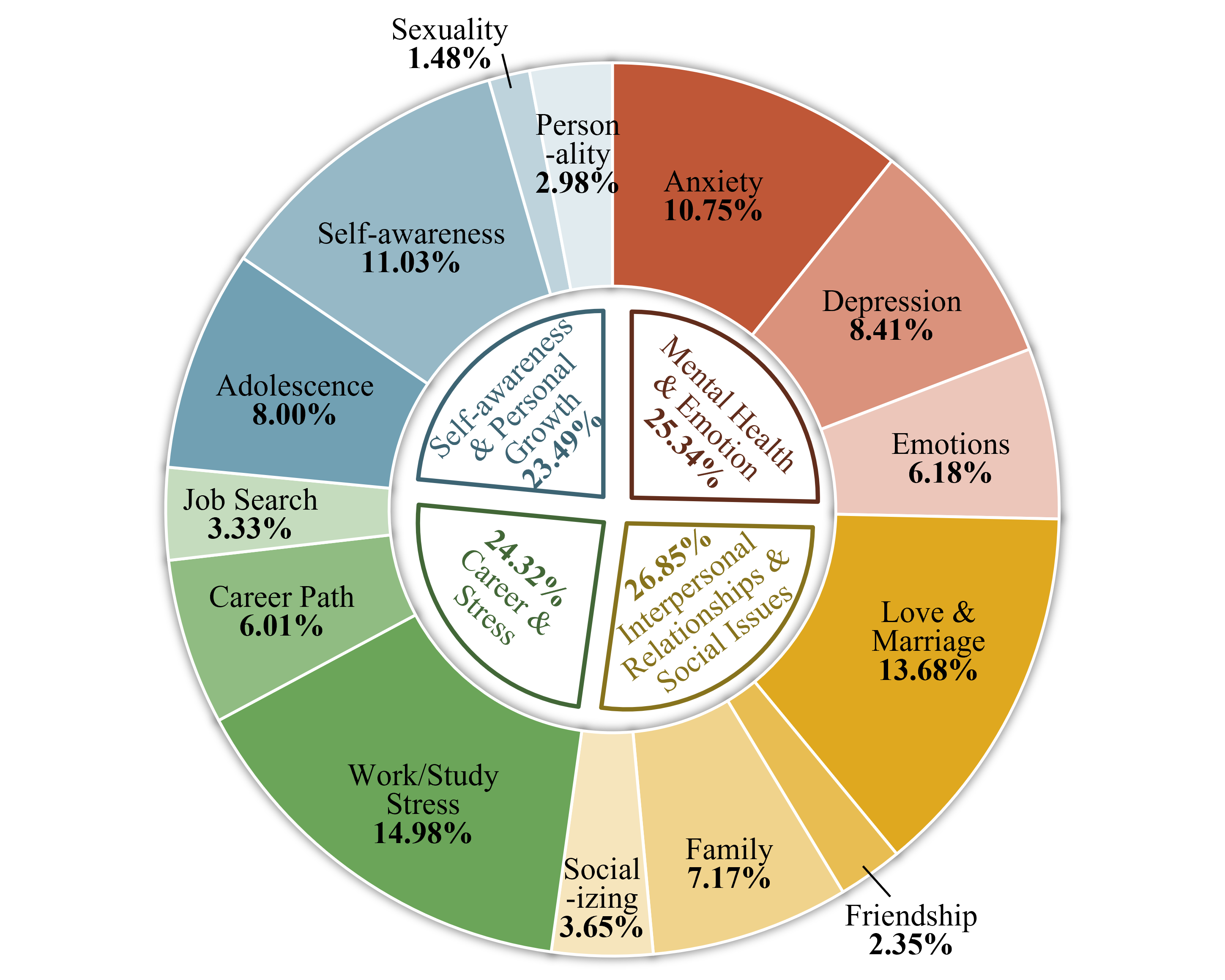
Figure 5: Distribution of client topics across the RPC dataset ensures coverage of diverse psychological domains.
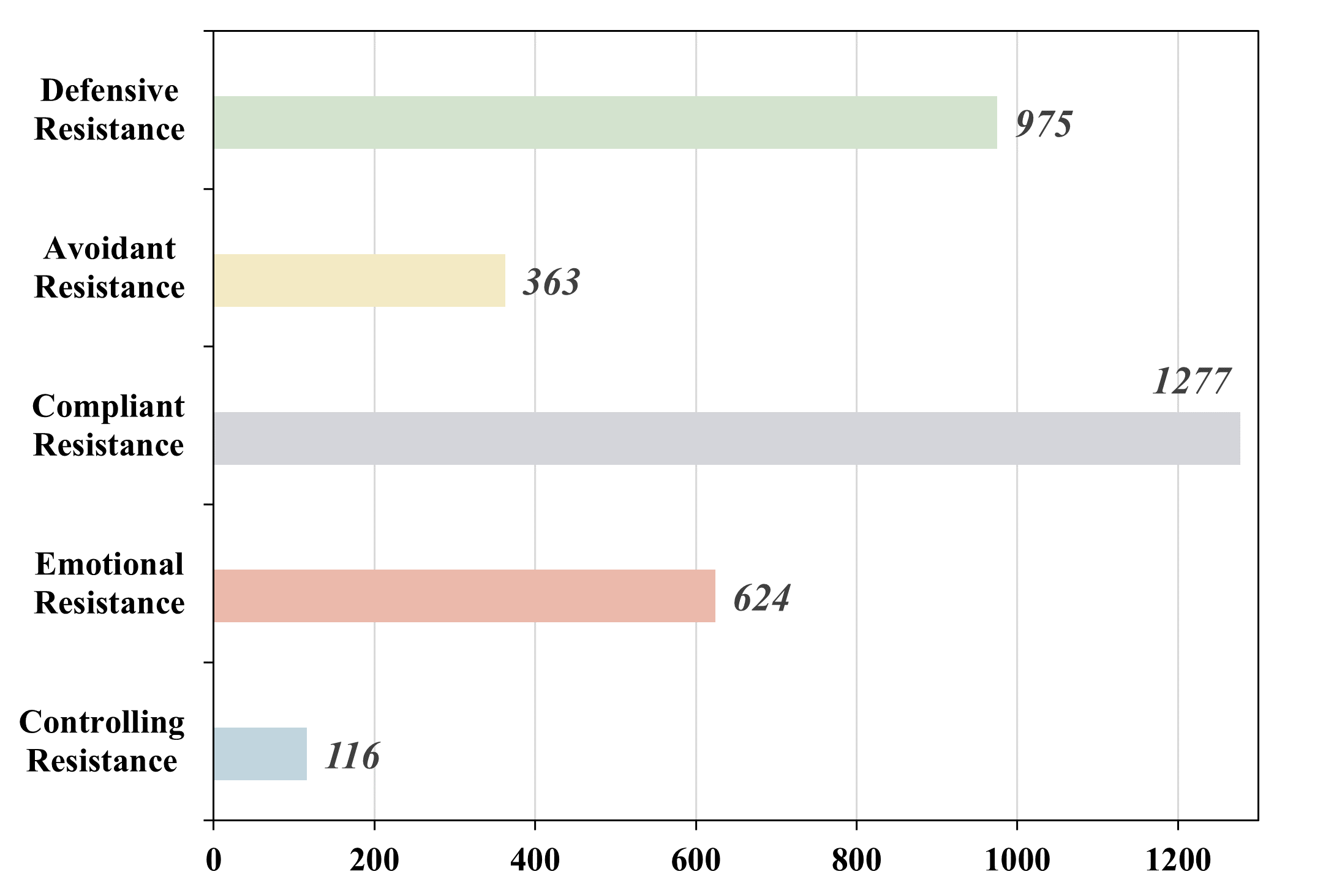
Figure 6: Empirically observed distribution of resistance types—compliant and defensive resistance predominate, consistent with indirect, relational styles in the target context.
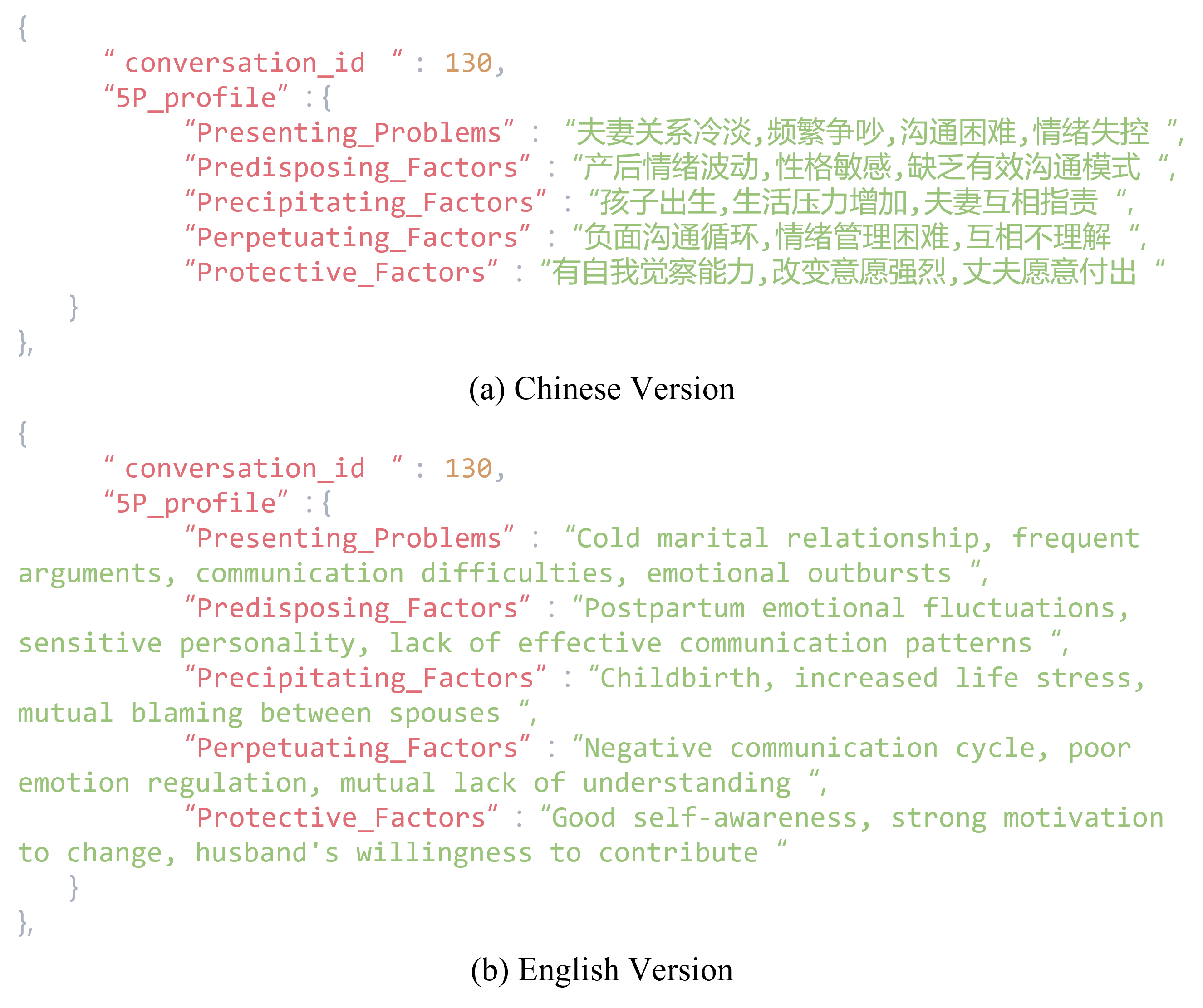
Figure 7: Example 5P profile annotation yields high-level, causally structured client personas, essential for behavior grounding.
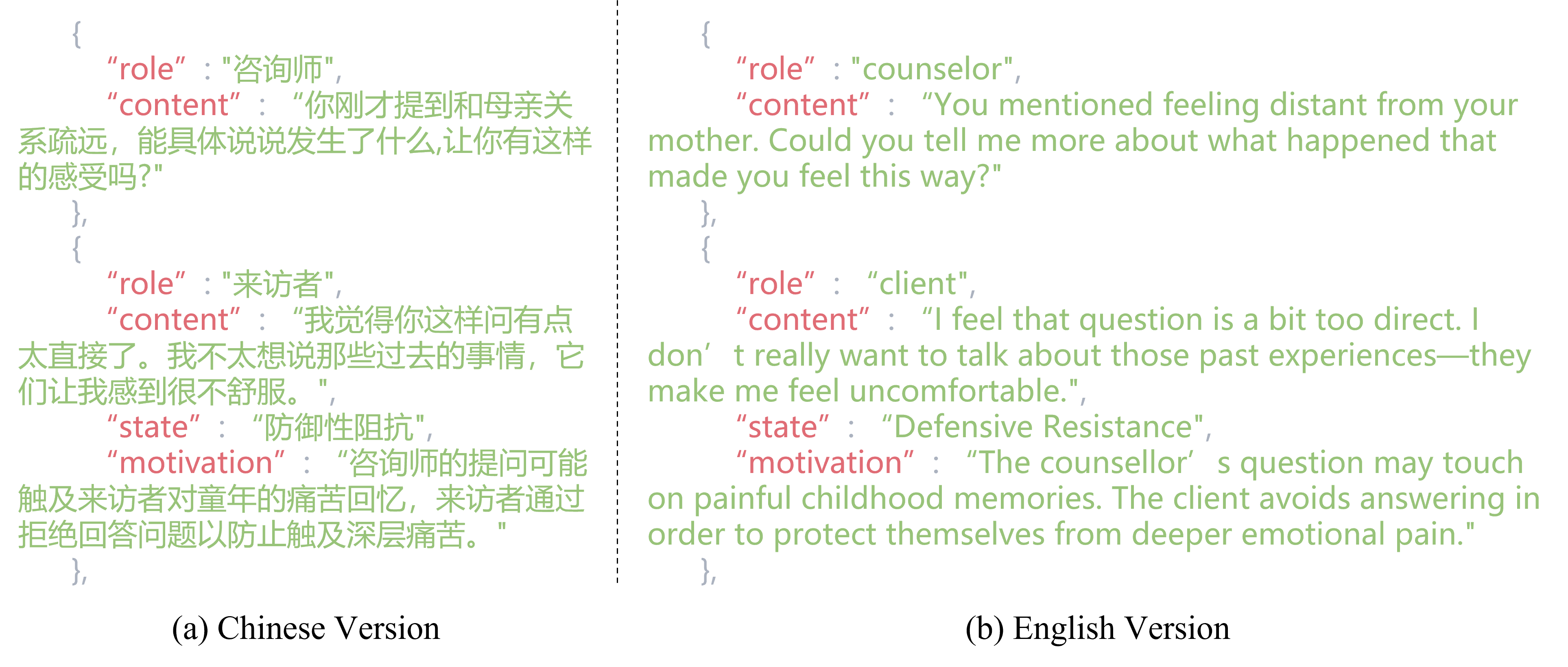
Figure 8: Representative excerpt of a labeled session with resistant behaviors and accompanying motivational annotations.
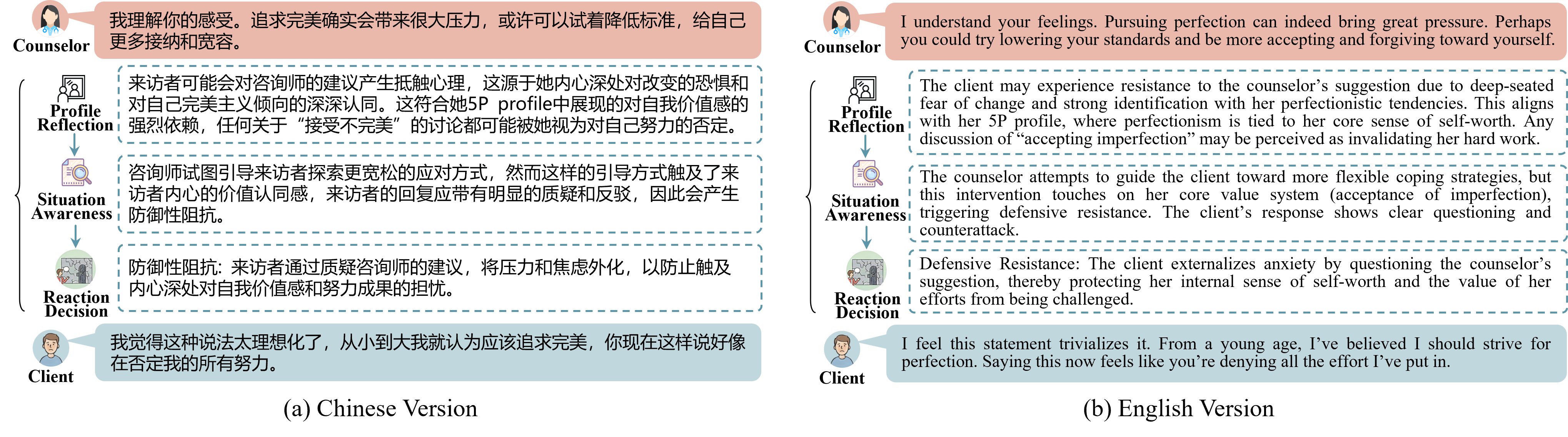
Figure 9: Sample session excerpt, highlighting model-generated motivation reasoning at each client response step.
Theoretical and Practical Implications
Theoretical Advances
This paper constitutes a methodological shift in simulated dialog agent design—moving beyond behavior fitting to the joint modeling of observable (external) and latent (internal, motivational) mechanisms. The explicit integration of process-level RL, profile-conditioned reasoning, and context-dependent resistance substantially improves ecological validity, sample efficiency, and interpretability relative to previous approaches which relied on prompt heuristics, template emotional perturbation, or implicit adversarial drive.
The RPC dataset and associated annotation protocols provide a novel evaluation bed for both client and counselor models, focusing on adversarial and ambivalent dynamics that are central, yet underexplored, in psychological LLMs. Furthermore, the dual use of open-source LLMs for annotation and candidate generation, validated by clinical experts, sets a scalable precedent for complex behavior simulation in other sociocognitive domains.
Applications and Future Directions
ResistClient provides a more rigorous platform for counselor education—the explicit modeling of resistance yields richer, more faithful, and challenging simulated cases for both human trainees and machine counselors. For LLM evaluation, ResistClient enables stress-testing dialog agents under adversarial and progress-inhibiting conditions, drawing attention to system brittleness that is masked by conventional compliance-prone benchmarks.
Broader extensions include:
- Adapting RIMR and RPC construction principles to cross-cultural or multilingual contexts (addressing limitations stemming from the current Chinese-centric data).
- Expanding simulation to support “bi-agentic” interaction, exercising both client and counselor reasoning and adaptation simultaneously.
- Integrating similar resistance-informed architectures for user simulation in domains such as adversarial negotiation, health coaching, and education, where non-cooperation and motivational ambiguity are mission-critical.
Conclusion
This work articulates a paradigm change in role-play agent simulation by introducing resistance-aware adversarial behaviors grounded in explicit motivation reasoning and large-scale, empirically verified resistance-annotated data. Quantitative and qualitative evaluations confirm that RIMR-trained models not only generate more plausible and psychologically valid resistant clients but also surface crucial weaknesses in current counseling LLMs. The ResistClient system establishes a new standard for client simulation and dialog system robustness analysis in clinical and affective domains.

