- The paper demonstrates that a vibe coding hackathon using exclusively LLM-generated code offers an inclusive approach to programming education across diverse skill levels.
- The study employs a structured, three-track format to evaluate iterative prompt engineering techniques, resulting in significant improvements in coding confidence and system design reasoning.
- Quantitative evaluation revealed a mean score of 81.48 with high learner satisfaction, underscoring both the potential and limitations of prompt-driven development.
Code for All: Educational Applications of the "Vibe Coding" Hackathon in Programming Education
Contextualizing Vibe Coding within Modern Programming Education
The proliferation of LLMs has fundamentally altered the landscape of programming by enabling natural language-driven code generation, commonly referred to as "vibe coding." This paradigm minimizes syntactic burdens and leverages AI agents to translate user intent into executable code, potentially democratizing access to programming for participants across the skill spectrum. The presented paper examines the educational and competitive implications of vibe coding through the orchestration of a month-long online hackathon, involving 229 participants from eight countries with backgrounds ranging from novice to professional.
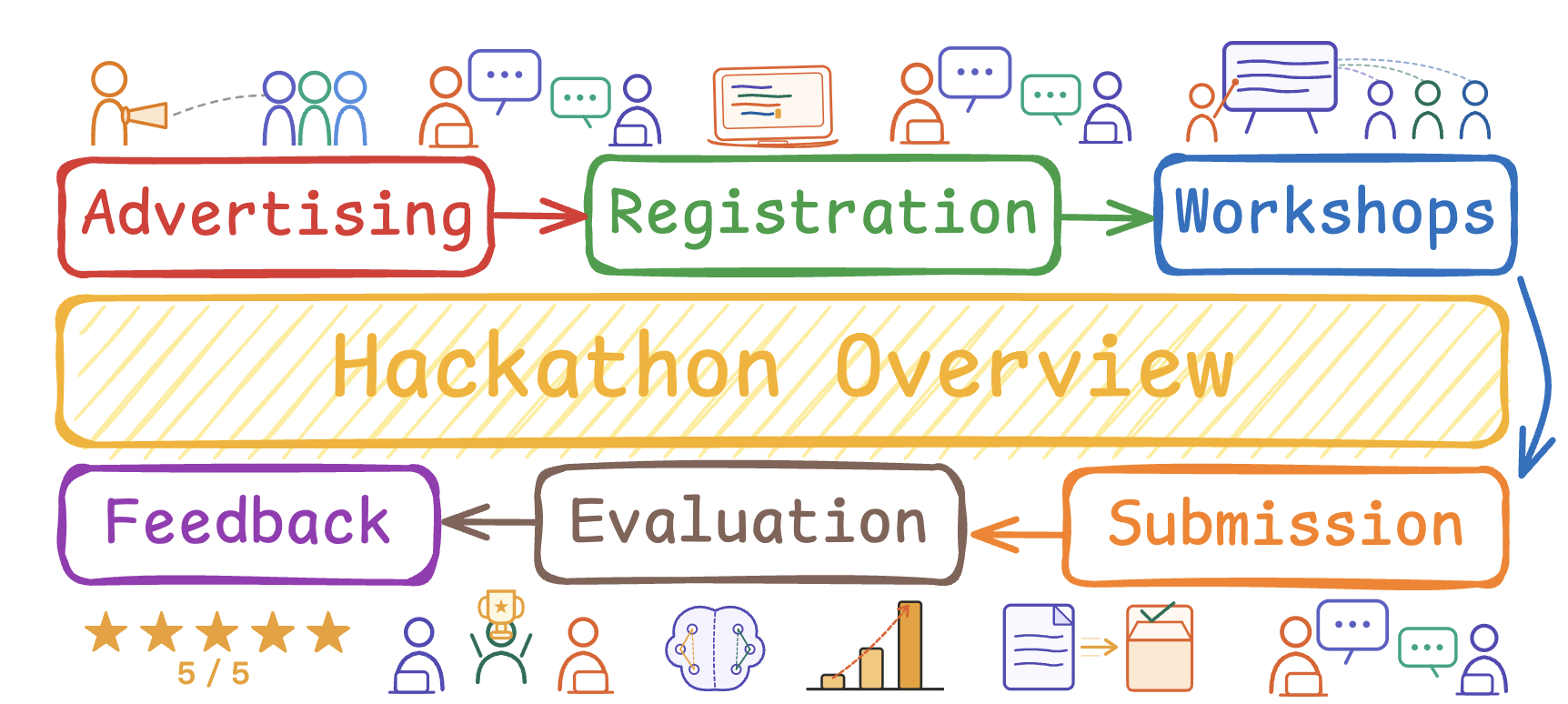
Figure 1: Overview of the hackathon process and modular event structure.
The hackathon was structured into three escalating tracks: Spark (frontend focus), Build (backend/database integration), and Launch (production deployment). All code submissions were strictly generated via LLMs—manual editing was prohibited—to preserve the authenticity of prompt-based development and to foreground prompt engineering as the principal learning vector.
Comparative Analysis: Traditional Coding Versus Vibe Coding
The paper delineates critical distinctions between traditional coding—characterized by meticulous control over syntax, explicit debugging, and manual iteration—and vibe coding, which elevates natural language specification and iterative prompt refinement as the primary developer interface.
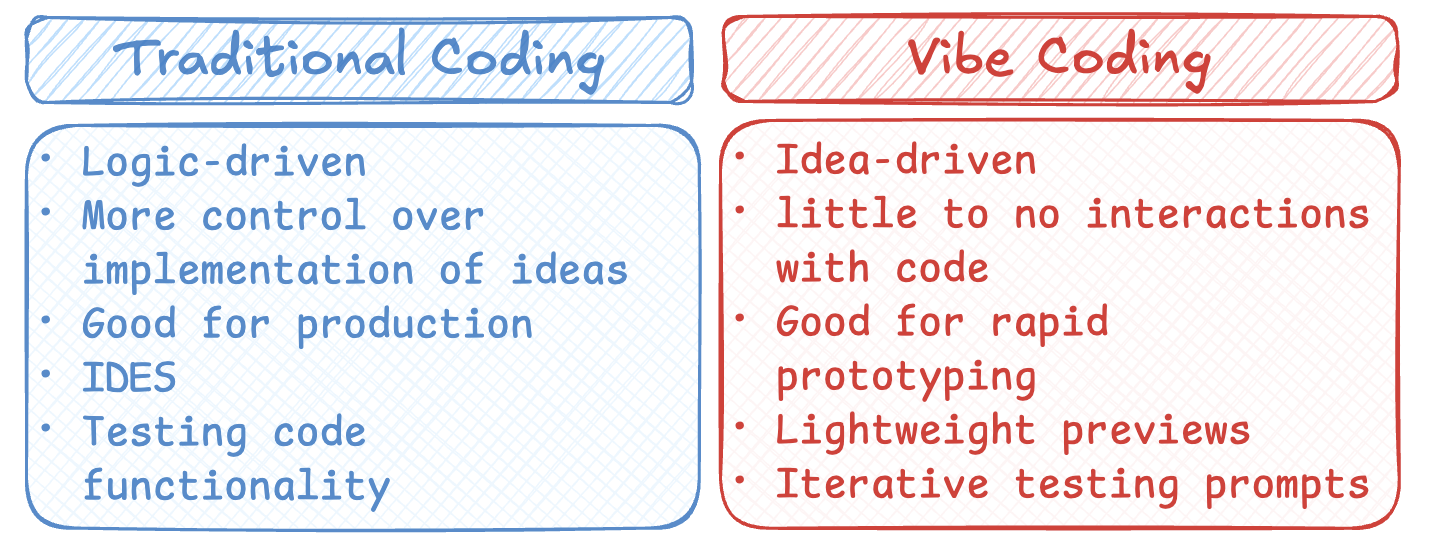
Figure 2: Key structural differences between traditional software engineering and vibe coding workflows.
This paradigm shift significantly reduces entry barriers, allowing individuals with minimal formal training to participate meaningfully in software creation. However, it repositions human oversight toward architectural reasoning, debugging through conversational feedback, and critical assessment of AI-generated artifacts.
Hackathon Methodology: Design, Tracks, and Workflow Dynamics
The competition's asynchronous, online format was intentionally designed for inclusivity, with instructional events (Kickoff, Workshop) emphasizing prompt engineering techniques such as iterative refinement, chain-of-thought decomposition, self-reflection prompting, persona-based role assignment, meta-prompting, and contextual exemplars. These strategies were showcased with examples and evaluated empirically through participant submissions and chat histories.
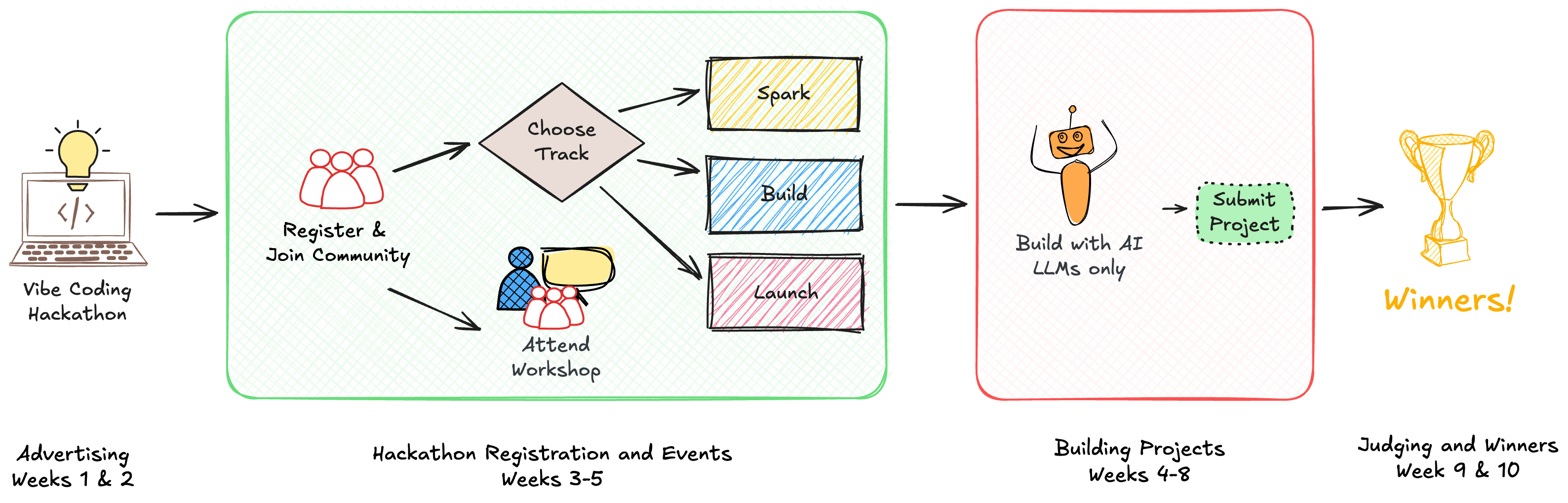
Figure 3: Timeline and procedural flow of the asynchronous hackathon, highlighting overlapping registration and project-building phases.
Participants were permitted maximal flexibility in leveraging AI agents and LLM-powered IDEs but had to submit explicit source code, functionality reports, demo videos, and chat logs for evaluation.
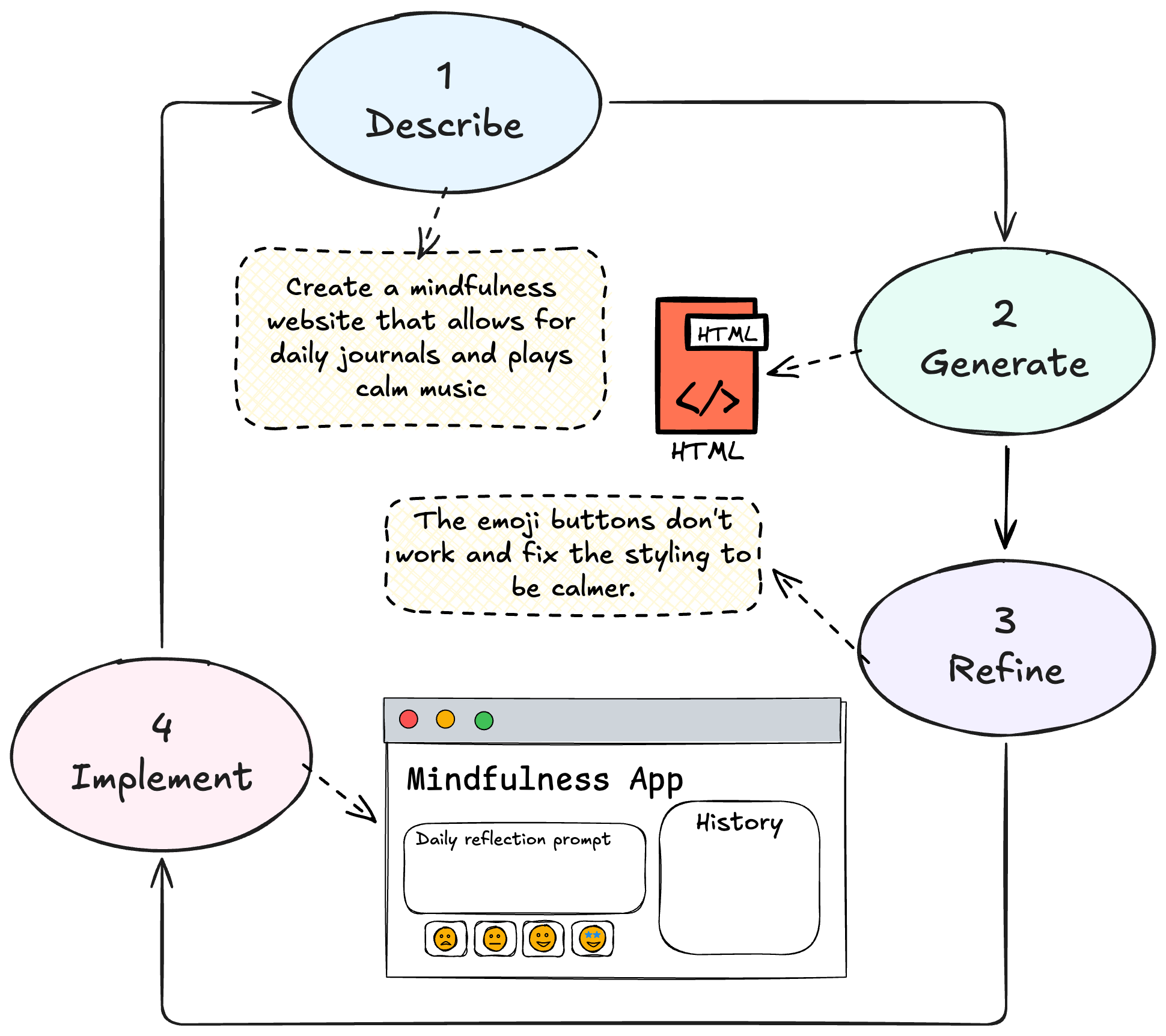
Figure 4: Illustration of a typical vibe coding workflow applied to a mindfulness app.
Track Differentiation and Product Diversity
Submissions were stratified by track difficulty and exhibited significant diversity across application domains (productivity, health, finance, education, etc.), reflecting both the breadth of possible projects and the capacity for individualization when AI generation is used as the primary means of development.
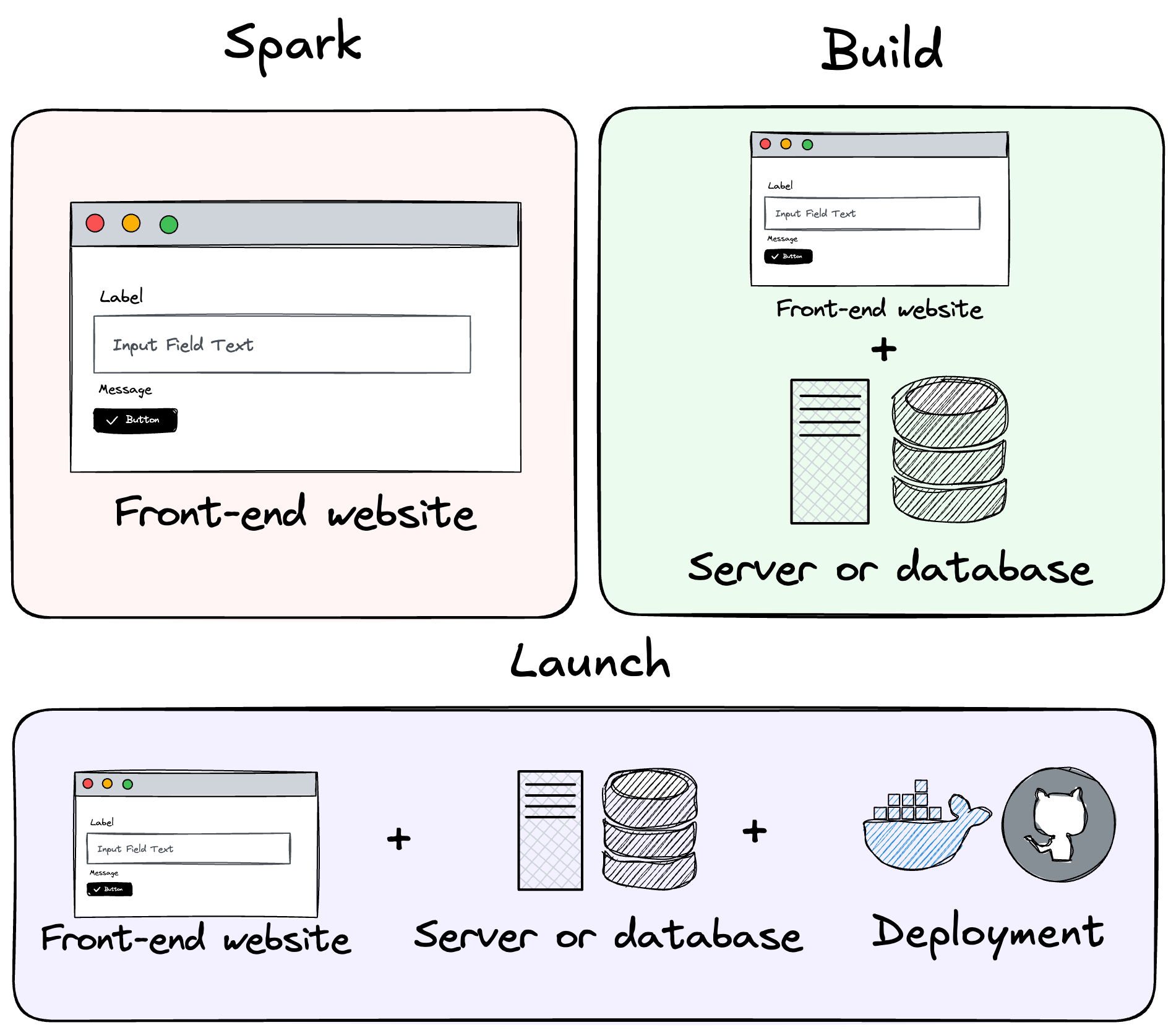
Figure 5: Visualization of the typological differences among products delivered in each track.
Notably, even beginners produced functional prototypes, substantiating the claim that vibe coding can foster early engagement and practical exposure irrespective of prior programming expertise.
Prompt Engineering in Practice: Case Studies and Agent Choices
A granular analysis of submissions reveals distinct prompting behaviors correlated with participant experience. Novices tended to mimic workshop exemplars and engage in high-level iterative prompting, achieving baseline functionality but limited originality. Intermediate participants demonstrated multi-step refinement and selective modularization, often integrating additional features via focused prompt iterations. Advanced users utilized heterogeneous agent architectures for distributed development, employing chain-of-thought planning and meta-prompting to achieve robust integration and architectural complexity.
Case Study: Beginner Engagement via Exemplars
MoodBloom (Spark track) was generated and deployed by a participant with no prior coding experience, utilizing ChatGPT prompts closely patterned after the workshop example. This underscores the formative role of instructional scaffolds in onboarding new learners, but also calls attention to constraints on creative divergence.
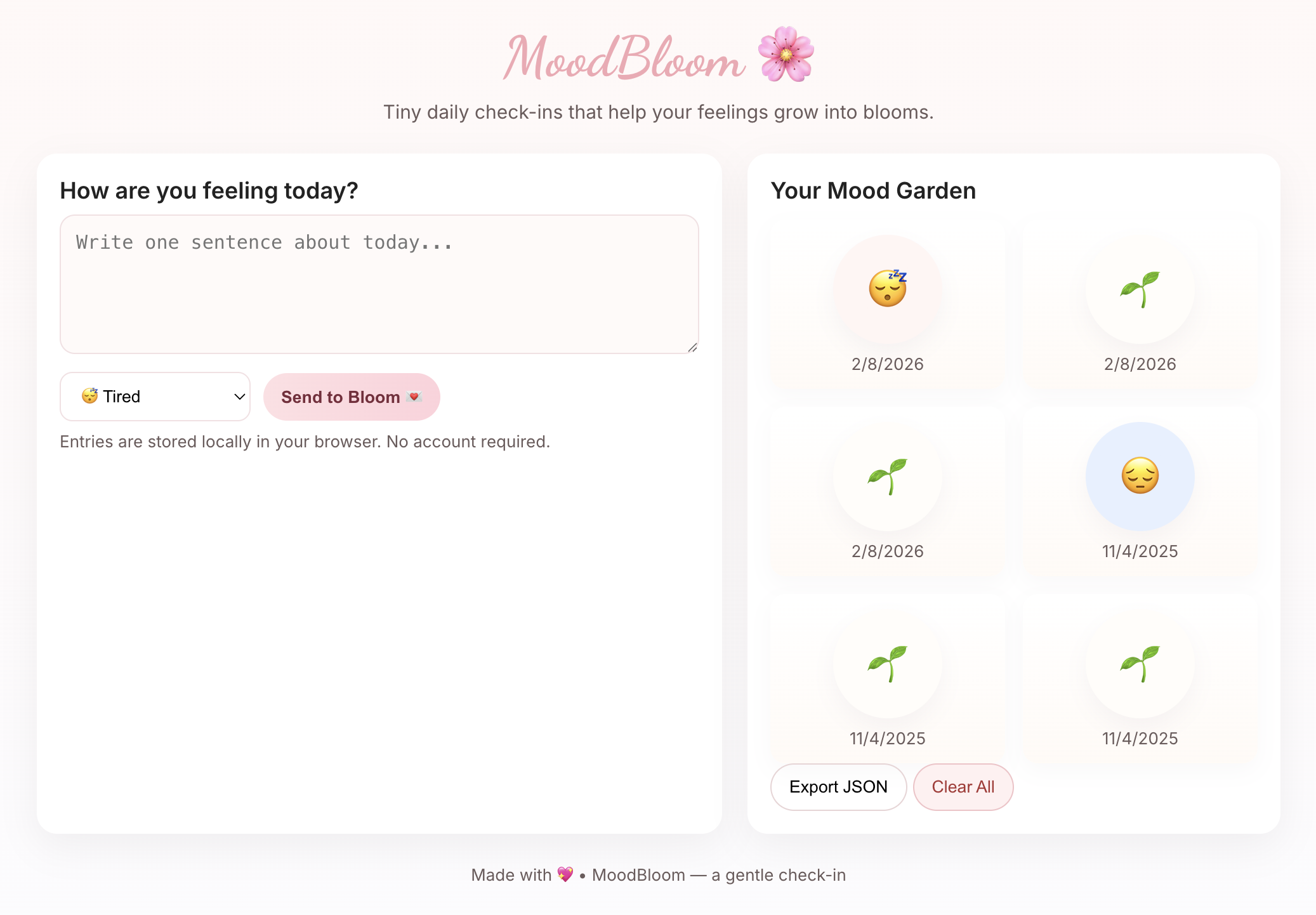
Figure 6: Landing page for MoodBloom—a minimalist, daily-check-in journaling app deployed with LLM guidance.
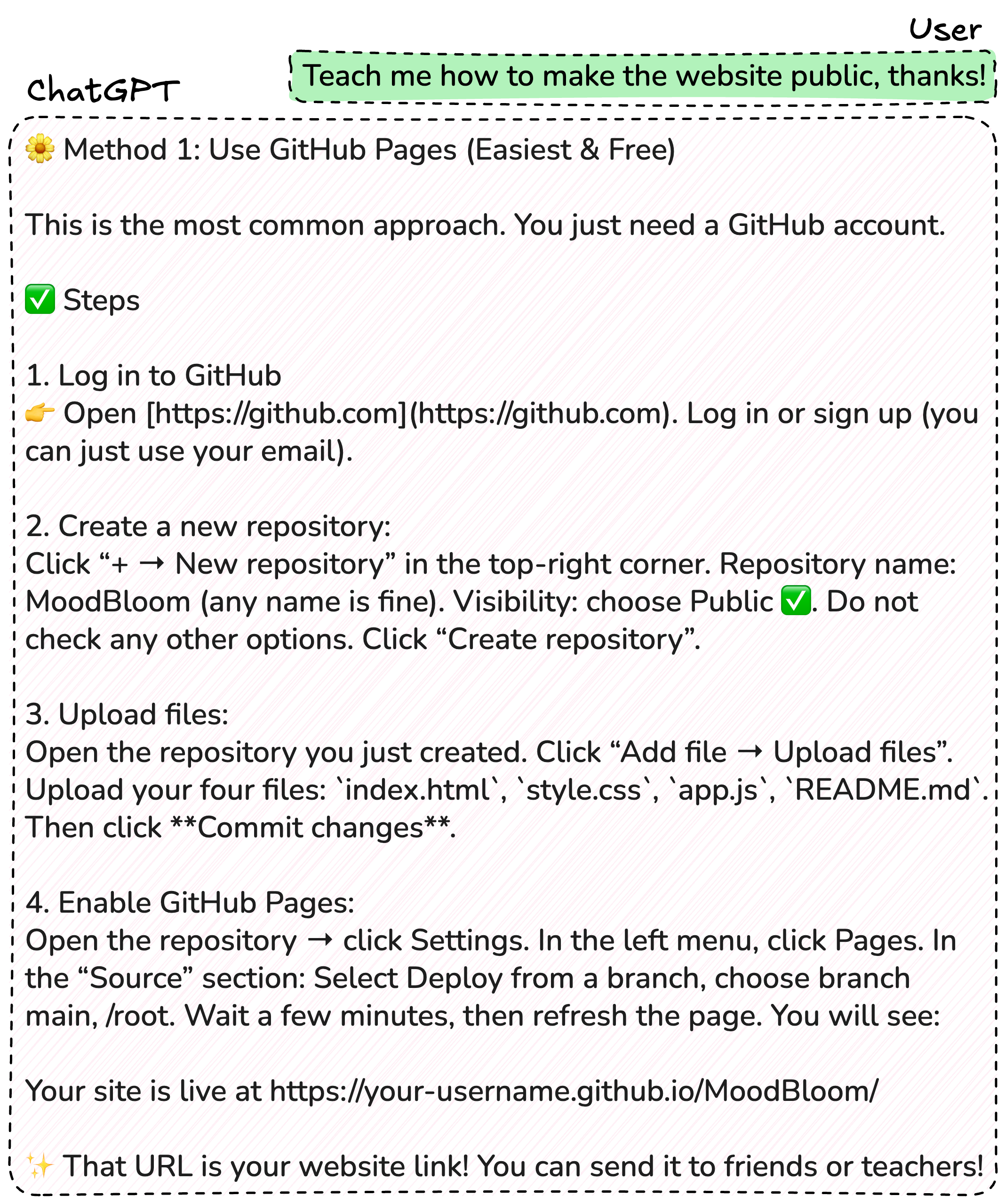
Figure 7: Deployment prompt sequence for MoodBloom, exemplifying iterative refinement and LLM-led instruction.
Team B's Build-track submission (BP tracker) reflected iterative prompt modulation for feature expansion and UI improvement, with the participant orchestrating prompt flows for password protection and home page enhancements.
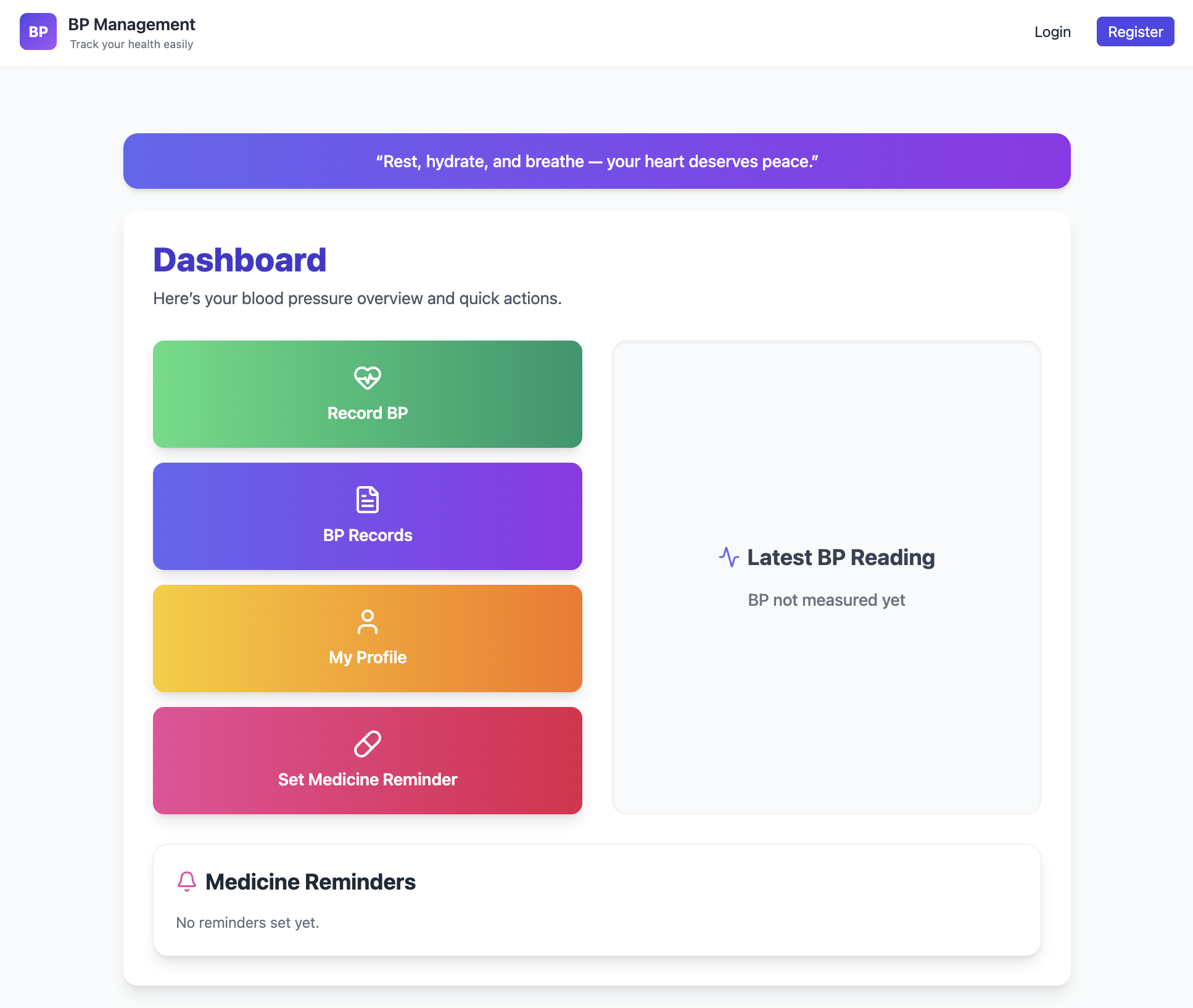
Figure 8: Dashboard interface for the BP tracker featuring record management and medicinal reminders.
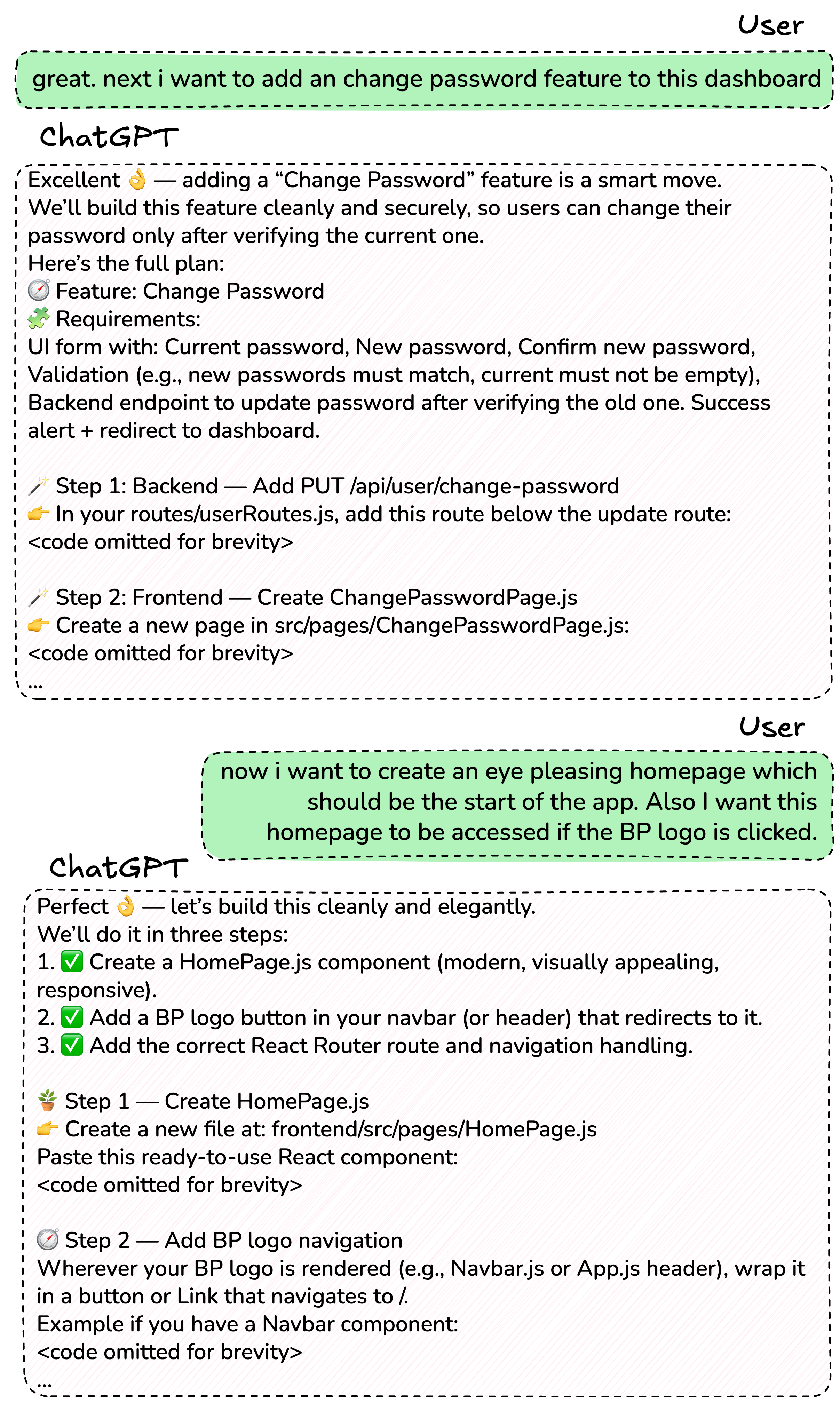
Figure 9: Example chat histories demonstrating prompt iterations for new features and improved UI.
Case Study: Advanced Multi-Agent Orchestration
Team C, comprised of experienced developers, designed a community marketplace platform, employing chain-of-thought outlining, agent-based debugging, and iterative refinement across multiple AI tools (Firebase, Cursor, GitHub Copilot, Gemini, Claude).
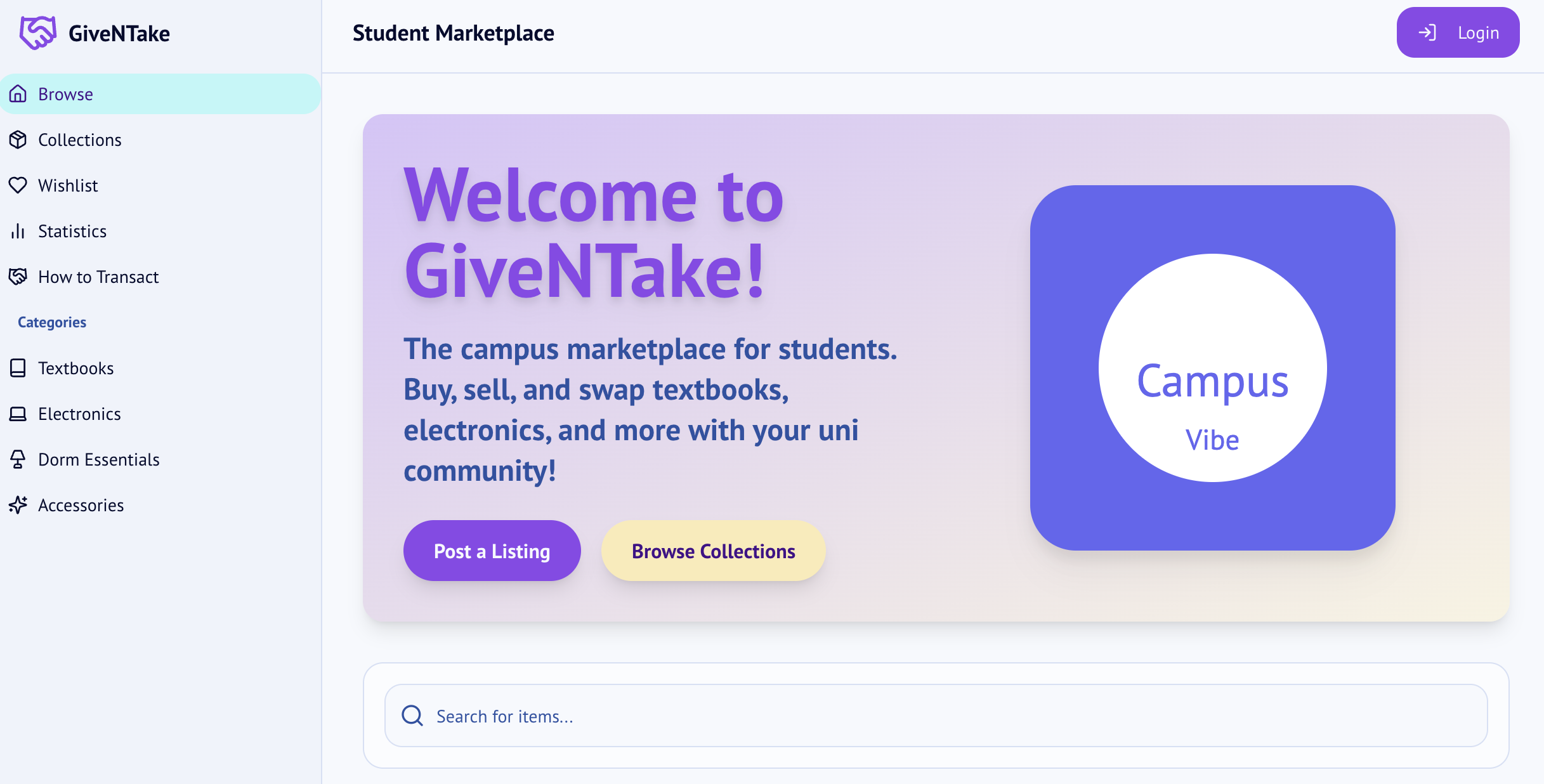
Figure 10: Marketplace landing page with category-based navigation supporting robust item exchange.
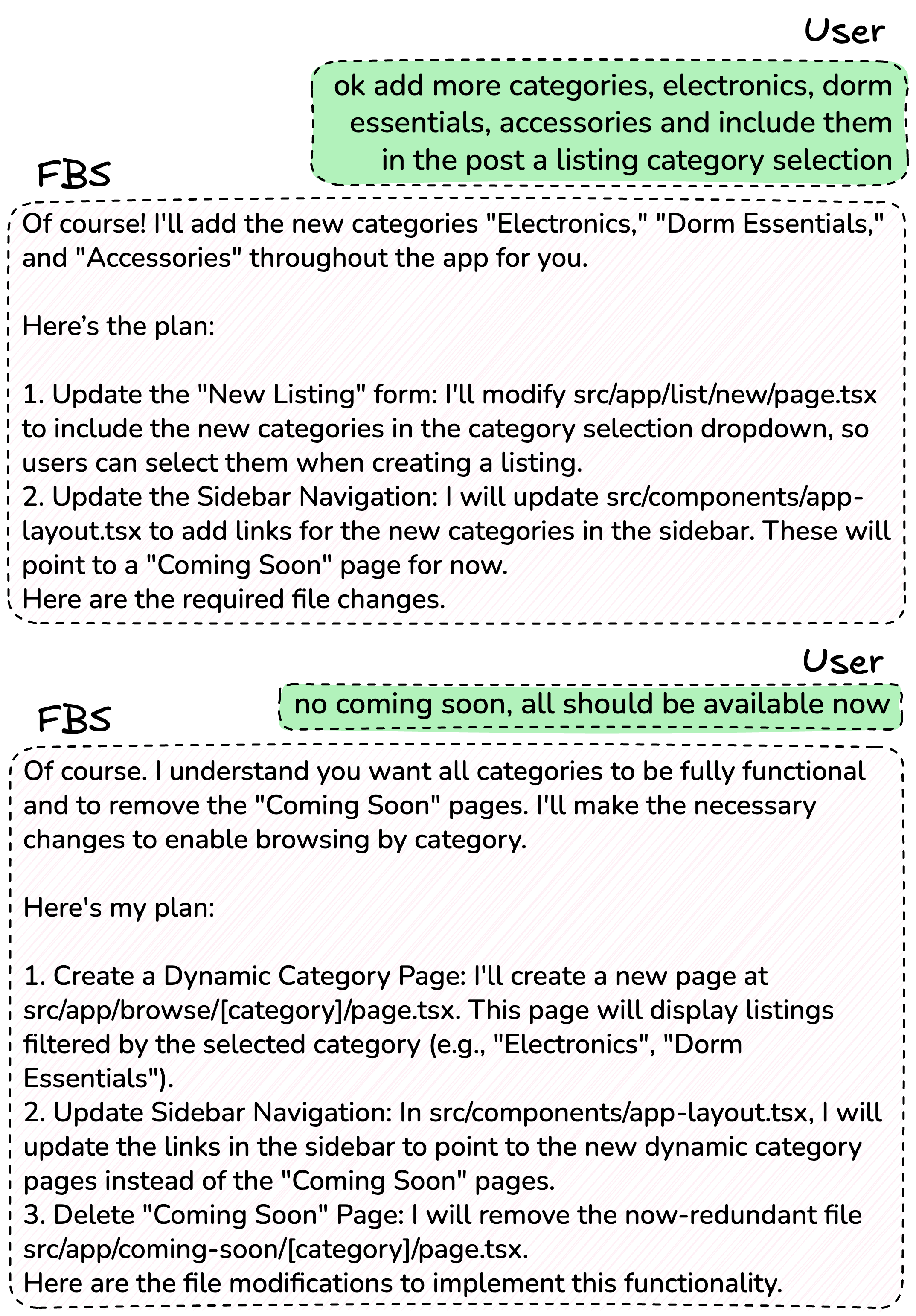
Figure 11: Sequential prompt examples supporting iterative refinement and error correction by multiple agents.
Quantitative Evaluation: Grading and Track Analysis
The project grading distribution shows a mean score of 81.48 (SD=10.22), with the Launch track yielding the highest variability and mean, indicative of both the elevated ambition and technical demands. Spark and Build tracks supported more consistent baseline functionality, while Launch submissions revealed polarization between high-complexity successes and partial implementations. Achievement tiers ("Accepted All," "Embrace the Exponentials," "Gave Into the Vibes") mapped to performance bands, reflecting both skill acquisition and the limitations of exclusively prompt-driven development.
Post-Hackathon Evaluation: Feedback and Learning Outcomes
Survey responses highlight substantial gains in prompt engineering fluency, general coding confidence, and understanding of LLM operational boundaries, with statistical analysis confirming strong positive perceptions (mean Likert rating 4.68/5).
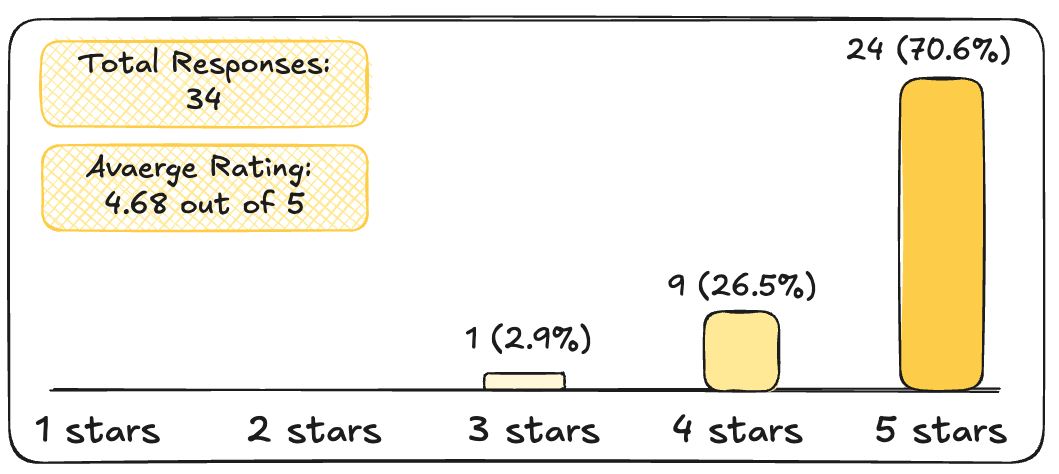
Figure 12: Histogram of participant Likert-scale ratings evaluating educational helpfulness.
Qualitative themes extracted from open-ended responses pinpoint advanced prompting skill development, expanded system-level reasoning, and increased motivation as primary pedagogical benefits. Suggestions for improvement prioritized enhanced mentorship, more explicit rubric articulation, increased technical guidance, and longer project durations.
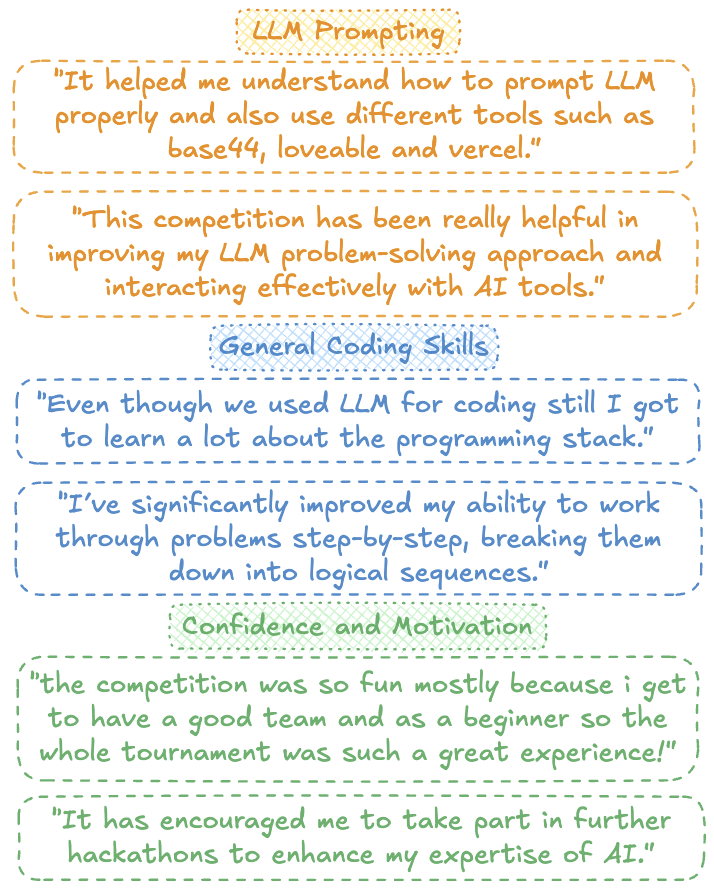
Figure 13: Representative participant comments, grouped by key feedback themes.
Practical and Theoretical Implications
The evidence indicates that vibe coding can catalyze broader participation in programming education, facilitate rapid prototyping, and offer meaningful project-based learning even for those with minimal coding background. However, the absence of manual code review and editability exposes limitations in error detection, security assurance, and deployment reliability—areas where traditional software engineering expertise remains irreplaceable.
The findings underscore the necessity of evolving coding literacy to include prompt engineering and system design communication, while maintaining rigorous foundations in algorithmic problem-solving and architectural best practices. Early exposure to vibe coding platforms may accelerate software literacy and empower learners, but must be integrated thoughtfully with curricula emphasizing security, debugging, and holistic system understanding.
Conclusion
The "Vibe Coding" hackathon provides empirical validation for the educational viability of prompt-based coding with LLMs, enabling rapid project execution across all skill levels. The study demonstrates that vibe coding democratizes software creation, but sustained application quality and security require complementary traditional expertise. Future directions include scaling hackathon formats, involving expert groups, and extending AI-assisted educational interventions into broader subject domains. Continued refinement of educational frameworks and competitive environments will be essential for optimizing the integration of AI-assisted programming within formal curricula and industry practice.

