- The paper asserts that current neural network paradigms act as static function approximators, insufficient for achieving true AGI.
- It critiques the misinterpretation of the Universal Approximation Theorem and scaling laws, emphasizing inherent theoretical limitations.
- The paper advocates a paradigm shift toward adaptive, dynamically restructured AI frameworks, outlining new pathways for AGI development.
Foundations of Artificial Intelligence Frameworks: Notion and Limits of AGI
Introduction
The paper "Foundations of Artificial Intelligence Frameworks: Notion and Limits of AGI" (2511.18517) critiques the prevailing techniques in artificial intelligence, specifically neural networks, in the pursuit of AGI. It argues that the architectural frameworks of current AI systems—especially LLMs—are insufficient for achieving a comprehensive understanding and intelligence akin to human cognition. The critique is rooted in philosophical discussions, computational limitations, and the necessity for a paradigmatic shift in AI development strategies.
Critique of Neural Network Paradigms
The central thesis posits that current neural network paradigms, regardless of scale, are fundamentally incapable of yielding AGI. These systems are criticized for functioning merely as static function approximators (Figure 1). The conceptual analogy of a "sophisticated sponge" is used to describe neural networks as entities that absorb vast amounts of data but lack the structural richness to produce genuine understanding.
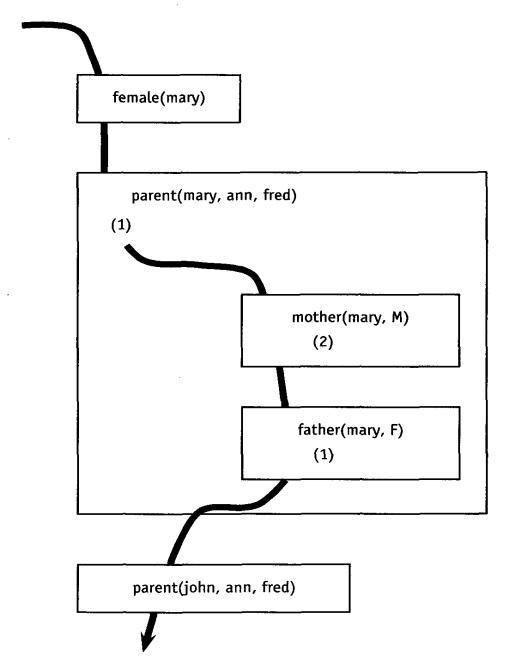
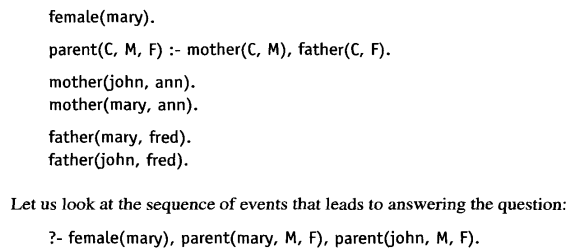
Figure 1: Resultant process.
The paper discusses the misinterpretation and often incorrect application of the Universal Approximation Theorem, arguing that it inaccurately addresses the abstraction needed for intelligence. It further criticizes the neural scaling laws, suggesting they are misapplied without an adequate theoretical basis.
Philosophical and Theoretical Considerations
The paper leverages philosophical arguments, including the Chinese Room Argument and Godelian argument, to accentuate the limitations of current AI approaches (Figure 2). These arguments highlight that neural networks, constrained by their current architectural assumptions, cannot attain the necessary dynamic restructuring capabilities required for human-like understanding.
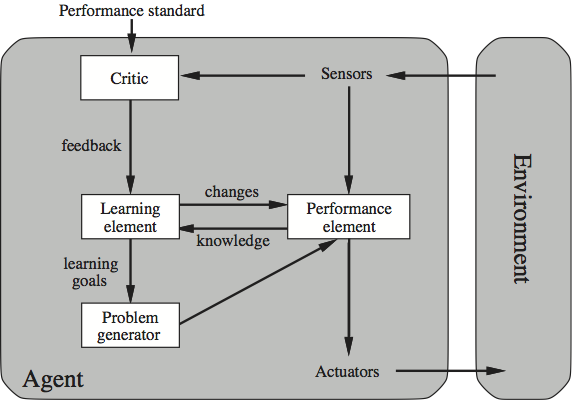
Figure 2: The conceptual framework of a learning agent [stanford2018ai].
Architectural Insufficiencies
The paper introduces a framework that differentiates between existential facilities (the computational substrate) and architectural organization (interpretive structures). This distinction calls for a reconsideration of what constitutes machine intelligence. Current models lack the capability to adapt dynamically, limiting their potential to evolve beyond static function approximation (Figure 3).
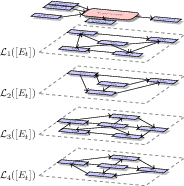
Figure 3: A loose illustration of the layering principle.
Implications and Future Directions
The implications of the research are twofold: practical and theoretical. Practically, the insights challenge AI developers to reconsider the underlying structures of neural networks. Theoretically, it opens pathways for future research into alternative frameworks that could support the development of AGI. The paper suggests that future developments should focus on creating frameworks capable of dynamic restructuring and interaction, beyond the static models prevalent today.
Conclusion
The paper concludes that the path to AGI does not lie within amplifying existing neural network frameworks but rather through a fundamental reevaluation of our understanding of intelligence structure. It emphasizes the need for AI frameworks that are not only adaptive but also capable of intrinsic interpretation and restructuring, advocating for an architectural shift in the design of intelligent systems.
This call to action is integral for advancing toward AGI, necessitating a departure from conventional approaches towards more innovative and structurally rich models.

